

How to File a Railroad Lawsuit For Chronic Obstructive Pulmonary Disease
Railroad employees who are suffering from occupational illnesses such as cancer have the right to pursue a lawsuit under Federal Employers' Liability Act. However it can be difficult to prove that the illness is caused by work.
For instance an employee may have signed a release when he first settled an asbestos lawsuit and then sued later for cancer that allegedly resulted from exposures.
mesothelioma lung cancer lawsuit of Limitations
In many workers' compensation cases the clock begins to run on a claim from when an injury is discovered. FELA laws permit railroad workers to file a lawsuit for lung disease or cancer years after the fact. This is why it's essential to file an FELA injury or illness report as soon as you can.
Unfortunately, the railroad will attempt to dismiss a case by asserting that the employee's actions were not within the three-year statute of limitations. Courts usually rely on two Supreme Court cases to determine when the FELA clock begins.
They first have to determine if the railroad employee had reason to believe that his or symptoms were related to their job. If the railroad worker goes to a doctor and the physician conclusively states that the injuries are work-related the claim is not time-barred.
The second factor is the amount of time before the railroad employee began to notice symptoms. If he or she has been experiencing breathing issues for a number of years and attributes the issue to the railroad work it is likely that the railroad employee is within the time limit. Please contact us for a no-cost consultation should you have any questions about your FELA claims.
Employers' Negligence
FELA sets out the legal basis for railroad employees to hold negligent employers accountable. In contrast to other workers, who are governed by compensation systems for workers with pre-determined benefits, railroad workers are able to sue their employers for the full value of their injuries.
Our attorneys won an award in a recent FELA case brought by retired Long Island Railroad machinists. They were diagnosed with COPD, chronic bronchitis, and emphysema because of their asbestos exposure when working on locomotives. The jury awarded them $16,400,000 in damages.
The railroad claimed that the plaintiffs' cancer was not linked to their work at the railroad and the lawsuit was deemed to be time-barred because it had been more than three years since they discovered that their health issues were related to their railroad work. Our Doran & Murphy attorneys were successful in proving that the railroad did not given its employees any information about the dangers of diesel exhaust and asbestos while they were at work and did not have safety protocols to protect its employees from hazardous chemicals.
While a worker can have up to three years from the date of their diagnosis to start a FELA lawsuit however, it is best to get a seasoned lawyer as soon as you can. The sooner we can get our attorney started collecting witness statements, evidence and other evidence the better chance is of winning the case.
Causation
In a personal injury lawsuit plaintiffs must demonstrate that the actions of a defendant caused their injuries. This is referred to as legal causation. This is why it's important that an attorney take the time to examine a claim before filing it in court.
Diesel exhaust alone exposes railroad workers to hundreds of chemicals, including carcinogens, pollution and other pollutants. The microscopic particles penetrate deeply into lung tissue, causing inflammation and damage. As time passes, these damage can lead to debilitating illnesses such as chronic bronchitis or COPD.
One of our FELA cases involves an ex-train conductor who was diagnosed with chronic obstructive pulmonary illnesses and asthma after spending years in cabins, with no protection. Also, he developed back issues due to the years of pushing and lifting. His doctor told him these issues were the result of the years of exposure to diesel fumes. He claims that this led to the aggravation of all of his health problems.
Our attorneys were able to retain favorable court rulings in trial as well as a modest federal juror award for our client. The plaintiff claimed that the derailment of the train and the subsequent release of vinyl chloride into the rail yard affected both his physical and emotional condition because he was afraid it would cause cancer. The USSC found that the defendant railroad was not at fault for the plaintiff's fear of cancer, since the plaintiff had previously renounced his right sue the defendant railroad in a prior lawsuit.
Damages
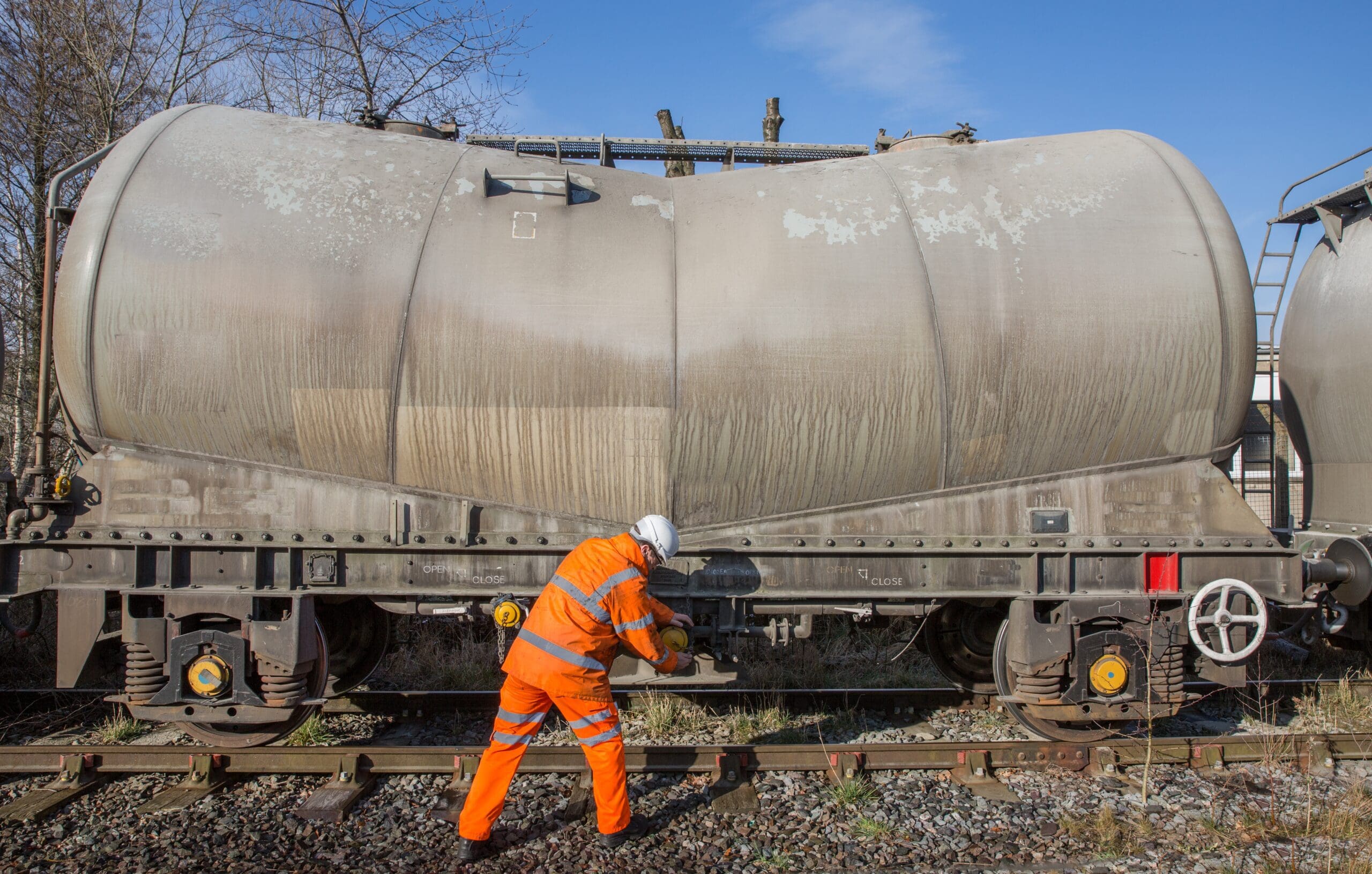
If you've suffered an injury while working for a railroad and you were injured, you could be eligible to file a suit under the Federal Employers' Liability Act. You could be awarded damages for your injuries through this process, including reimbursement for medical expenses and pain and suffering. However this process can be complicated and you should seek the advice of a lawyer who handles train accidents to learn more about your options.
In a railroad dispute, the first step is to establish that the defendant was bound by a duty of good faith to the plaintiff. The plaintiff must demonstrate that the defendant violated the duty of care by failing to protect them from harm. In addition, the plaintiff must show that the breach was a direct cause of their injury.
A railroad worker who contracts cancer due to their job must prove that the employer failed properly to warn them about the dangers they are exposed to. They must also prove that their cancer was directly caused by this negligence.
In one instance a railroad company was sued by a former worker who claimed that his cancer was caused through exposure to diesel and asbestos. The plaintiff's lawsuit was not time-barred because he had signed a release in a previous suit against the defendant.